Hair Toppers vs Wigs: Which One Do You Actually Need?
Thinning at the part or crown doesn't automatically mean a full wig — and sometimes it does. The honest decision framework: coverage needs, integration, comfort, cost-per-wear, and when each tool wins.
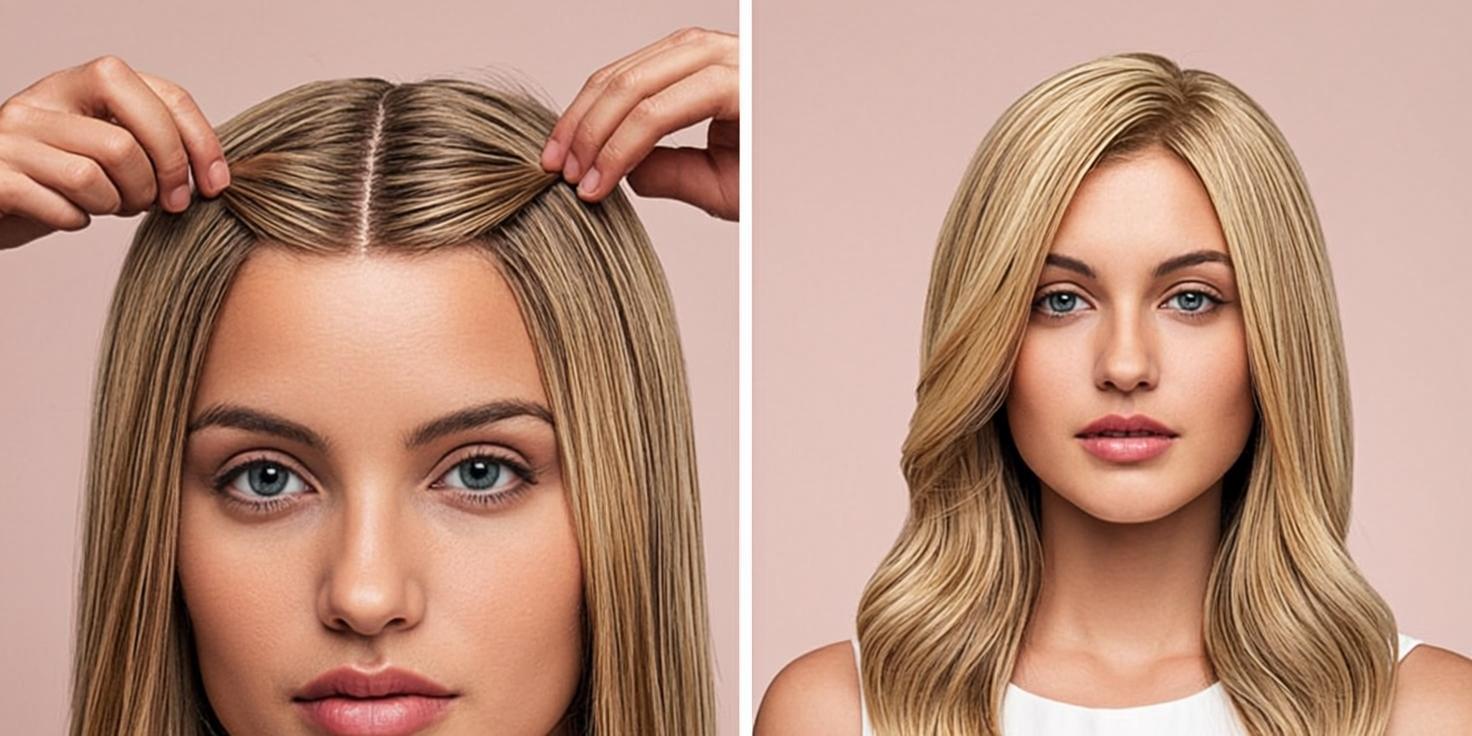
Nobody talks about hair toppers until the day they need one — and then it's all they can think about. A widening part. A crown that's thinner than it was five years ago. A scalp that's started peeking through in photographs. The instinct is to either ignore it or panic-buy a full wig, and both instincts are wrong, because there's a tool built precisely for that in-between stage.
A hair topper is a partial coverage piece: clip-in volume for the top and crown of your head, in whatever size your thinning area needs, that integrates with the hair you still have. A wig is full coverage: a complete style that replaces (or covers) all of your hair. Choosing between them is a question of coverage needs, lifestyle, and honestly, psychology. Here's the complete decision framework.
The Honest Case for Toppers
The topper's pitch is surgical: it solves exactly the problem you have and nothing else. If your hairline is intact, your length is fine, and your issue is density at the part or crown, a topper adds hair where you lack it while your own hair keeps doing the rest. The result reads as "her hair, better" rather than "a wig" — because most of what people see genuinely is your hair.
Toppers also win on comfort and heat. A topper's base is a fraction of a wig's cap: breathable mesh, a few clips, no full-head coverage. Wearers routinely forget they have one on — the same cannot always be said of full wigs in July. And the maintenance is proportionally lighter: wash it occasionally, store it on a small stand, no cap-washing ritual.
The best-reviewed piece in our entire catalog right now is, in fact, a topper — PANEWAY's 22-inch layered synthetic with a breathable mesh base, at 4.7 stars:
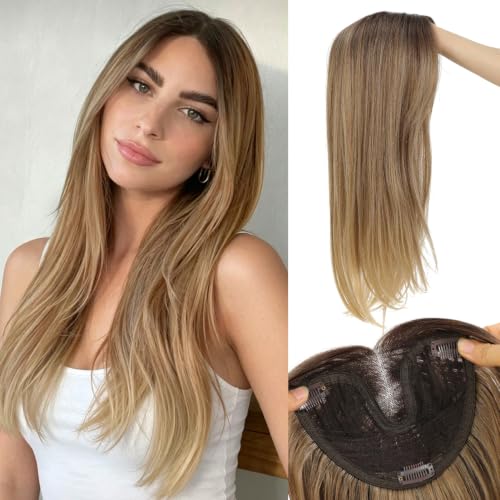
For thinning at the crown, not full coverage: a 4.7-star clip-in topper at 22 inches.
The Honest Case for Wigs
The wig's pitch is completeness: a total style, self-contained, immune to whatever your bio hair is doing. Where a topper depends on your existing hair for integration (and therefore on your hair's health, color match, and length compatibility), a wig asks nothing of it. Bad hair day, humid day, no-hair-at-all day — the wig shows up identical every time.
Wigs also own the style change use case. A topper can't take you from a bob to waist-length body wave, or from black to honey blonde, or from straight to finger coils — a wig does all four before lunch. That's why even women with perfect hair buy wigs: the topper is a correction; the wig is a transformation.
The transformation is also getting dramatically easier. The glueless wear-and-go category has collapsed install time to about a minute, which changed the daily calculus for everyone — wig buyers included. UNICE's side-part water wave bob is the archetype: pre-set part, pre-cut lace, pull on and go:
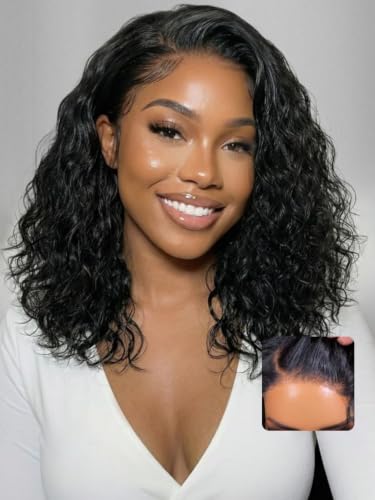
A 220%-density water wave bob with a set side part — the easiest 'done' look in this catalog.
The Coverage Test: Which One Do You Need?
Map your thinning to the coverage zones. Hair loss at the part or crown — topper territory. Loss at the hairline or temples — wig territory (toppers don't cover the front hairline; a lace front does). Diffuse thinning everywhere — full wig, comfortably. Total or near-total loss (alopecia, chemo, genetics advanced) — full wig, and a well-fitted one becomes genuinely life-changing.
The staging is real and worth naming: toppers are the chapter-one solution for early thinning, and many women wear them happily for years. But thinning that progresses eventually outgrows the topper's base size, and integration thins as the anchor hair thins. If you're buying a topper, it helps to know that day may come — and that today's wig market will be dramatically better when it does.
One structural advantage of toppers that surprises people: they can protect the hair you have. Worn instead of daily heat-stling your thinning crown, a topper gives your bio hair a rest while looking fuller than styling ever achieved. Dermatologists have recommended exactly this pattern for traction-stressed and fragile hair for years.
Integration: The Toppers' Make-or-Break Skill
A topper lives or dies by how well it merges with your hair, and that comes down to three matches. Length: the topper should be the same length as your bio hair or a touch shorter — a longer topper creates a visible weight-shelf where the piece's hair out-volumes yours. Color: match your roots, not your ends (ends are lighter from sun and dye; roots are the truth). Texture: match your hair's natural fall — a straight topper over wavy hair creates a two-texture blend that reads as a barrette line.
The clips themselves deserve one honest paragraph. Toppers attach with pressure clips that grip your bio hair, and that grip needs something to hold — very fine or very sparse anchor hair can't support a larger base, which is the physical limit of the topper approach. Clip placement also matters for comfort and for the piece's security: clips should sit in hair with some density, typically a half-inch outside the thinning zone, not centered in it.
The Lifestyle Match
Beyond coverage, the practical questions that settle the choice:
How's your morning? Toppers take two minutes: clip in, blend the perimeter, done. Glueless wigs take five. Full glued installs take thirty-plus. The differences sound small until they're daily.
How do you feel about wind? A well-clipped topper is secure but not windstorm-secure; a strapped-and-combed wig is a helmet. For beach days, boat days, and convertibles, wigs win — clip yours in with extra pins either way.
How's your scalp health? Toppers keep your scalp accessible — air, sunlight, topical treatments all reach your skin. Full caps occlude the scalp all day. If you're treating the thinning medically (minoxidil and friends), a topper's schedule flexes around application times far more gracefully.
What's the occasion profile? Daily wear rewards the lighter touch of a topper. Photography, events, and dramatic style changes reward the wig's completeness — which is why a large number of women eventually own one of each and stop pretending it's a competition.
Money, Honestly
Toppers cost less than equivalent wigs — you're buying a fraction of the hair and construction. The synthetic PANEWAY runs under fifty dollars; a comparable-coverage human-hair topper runs $150–300. Synthetic wigs start under $30 (like the gloriously cheap layered blonde that's become an institution at 2,600+ ratings):

The $24.99 blonde-with-bangs experiment — 2,600+ ratings make it a category institution.
Human-hair glueless wigs run $45–160 in our catalog, with the premium full-frontal tier (BEEOS's SKINLIKE 13x6, 4.5 stars) around $292:
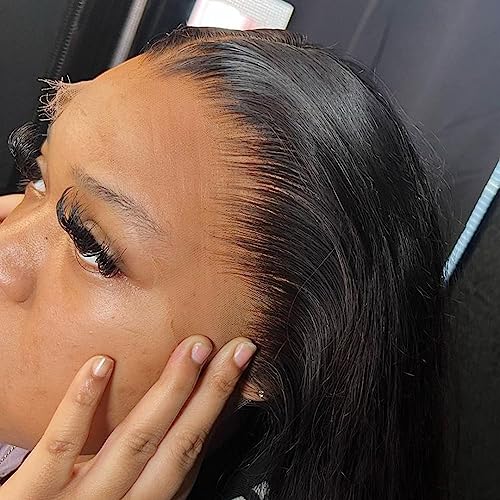
The premium play: 'skinlike' lace engineered to melt at the hairline, 4.5 stars from 360+ buyers.
The real financial frame is cost-per-wear and lifespan: a $48 topper worn daily for a year costs thirteen cents a day. A $150 human-hair wig worn daily for two years costs twenty cents. Both are cheaper than a salon habit, and both are cheaper than the wrong purchase — which is the only expensive one at any price.
Q: Can you wear a topper if you have a full head of hair?
Yes — as pure volume and length enhancement, toppers work beautifully on healthy hair, and it's a common salon-customer secret. The one rule is weight matching: the topper's density shouldn't dramatically exceed your bio hair's, or the integration line shows. Healthy-hair wearers usually buy toppers for length or thickness boosts, not coverage.
Q: Will a topper damage existing hair?
Clips grip but don't pull — worn correctly and clipped into hair with reasonable density, toppers are gentle. Damage happens from three specific mistakes: clipping into too-sparse anchor hair (constant tension on weak strands), clipping in the same spots daily (repetitive traction), and sleeping in the piece (hours of friction). Rotate clip positions, take it off at night, and toppers are safer for your hair than most daily styling.
Q: Can a wig cause hair thinning?
A properly fitted wig worn over a protective cap, removed nightly, causes no thinning — and often improves hair health by eliminating daily heat and manipulation. The risk cases are specific: glued hairlines removed harshly (traction on the edges), too-tight caps (constant pressure), and sleeping in wigs (friction plus tension). The satin-scarf-at-night habit protects both your investment and your hairline.
Q: Should I buy a topper or a wig for a special occasion?
For one-off events, buy neither — rent the concept instead by testing with an inexpensive synthetic. If the occasion demands your everyday look but fuller, a topper is the invisible upgrade. If the occasion demands a transformation (length, color, or drama), a wig is the tool. The question is never really "topper or wig" — it's "enhance or transform."
Q: How do I match a topper to my hair color?
Match your roots — the topper sits on top of your head, in the zone where roots are visible, and ends that are sun-lightened or dyed will create a mismatch exactly where the piece integrates. When in doubt, go a shade darker rather than lighter: darker blends down into lighter ends convincingly, while lighter sits on top like a flag. Many toppers come in rooted blends (darker root, lighter lengths) precisely to cheat this problem.
Comments
Recommended in this guide
Premium PickHuman HairThe premium play: 'skinlike' lace engineered to melt at the hairline, 4.5 stars from 360+ buyers.
Beginner PickHuman HairA 220%-density water wave bob with a set side part — the easiest 'done' look in this catalog.
SyntheticThe $24.99 blonde-with-bangs experiment — 2,600+ ratings make it a category institution.
SyntheticFor thinning at the crown, not full coverage: a 4.7-star clip-in topper at 22 inches.
Related guides
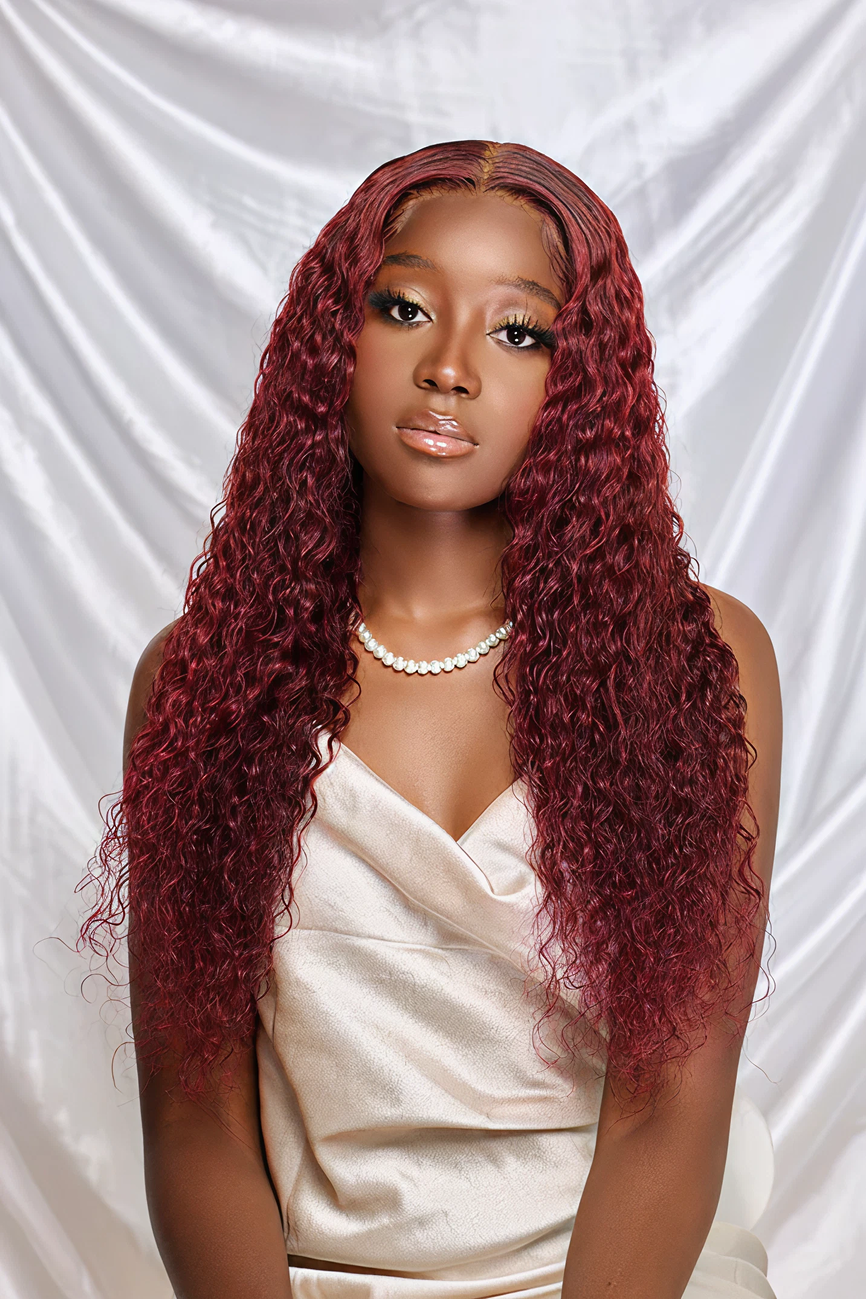
How to Care for Your Wig: Complete Maintenance Guide
Washing frequency, the right products, satin at night and storage — the routine that doubles your wig's lifespan.
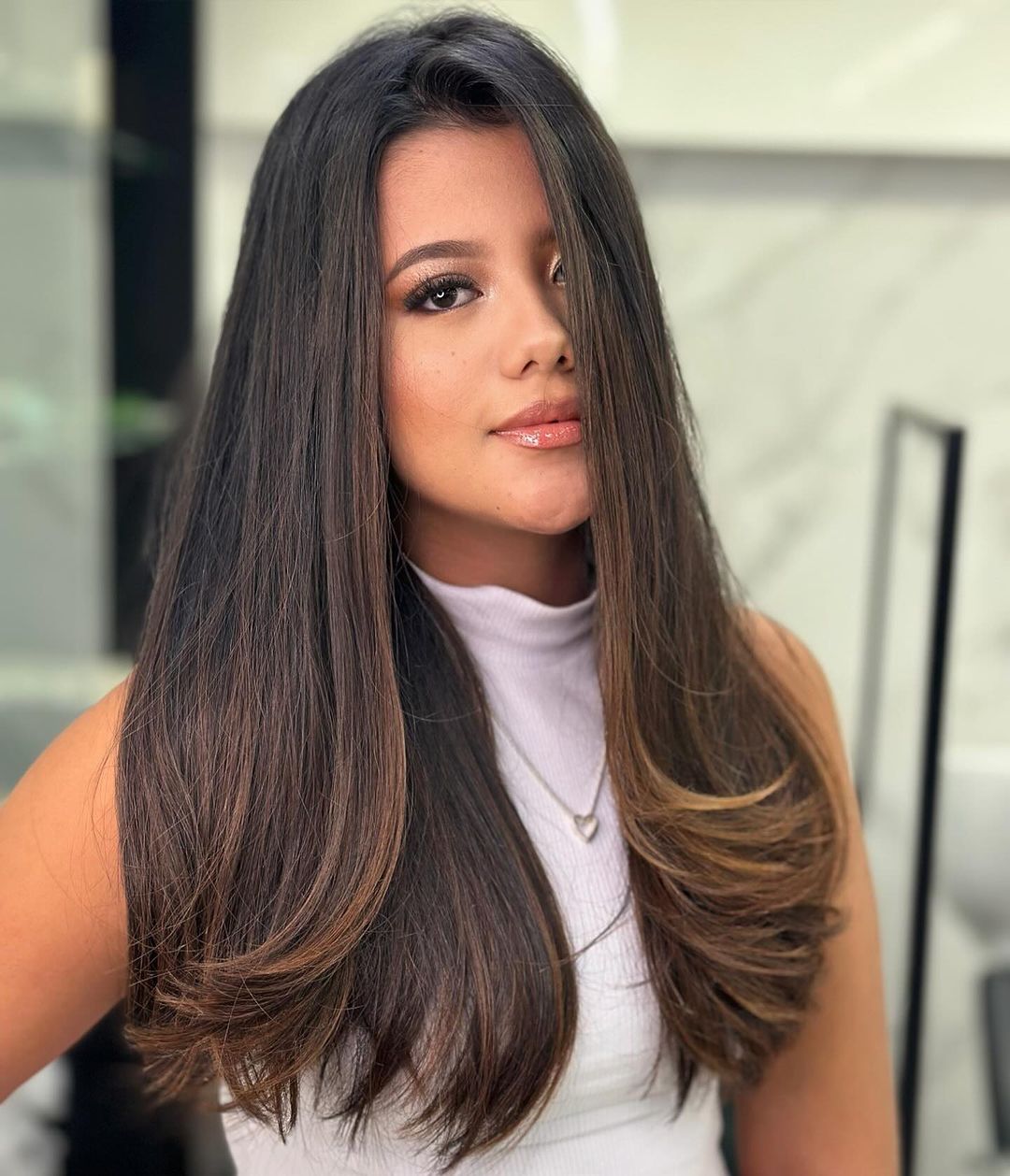
Cheap vs Expensive Wigs: What Actually Changes With Price?
A $15 wig and a $150 wig are not the same product with different logos. Here's exactly what each price tier buys you — and the three cases where cheap is the smart money.
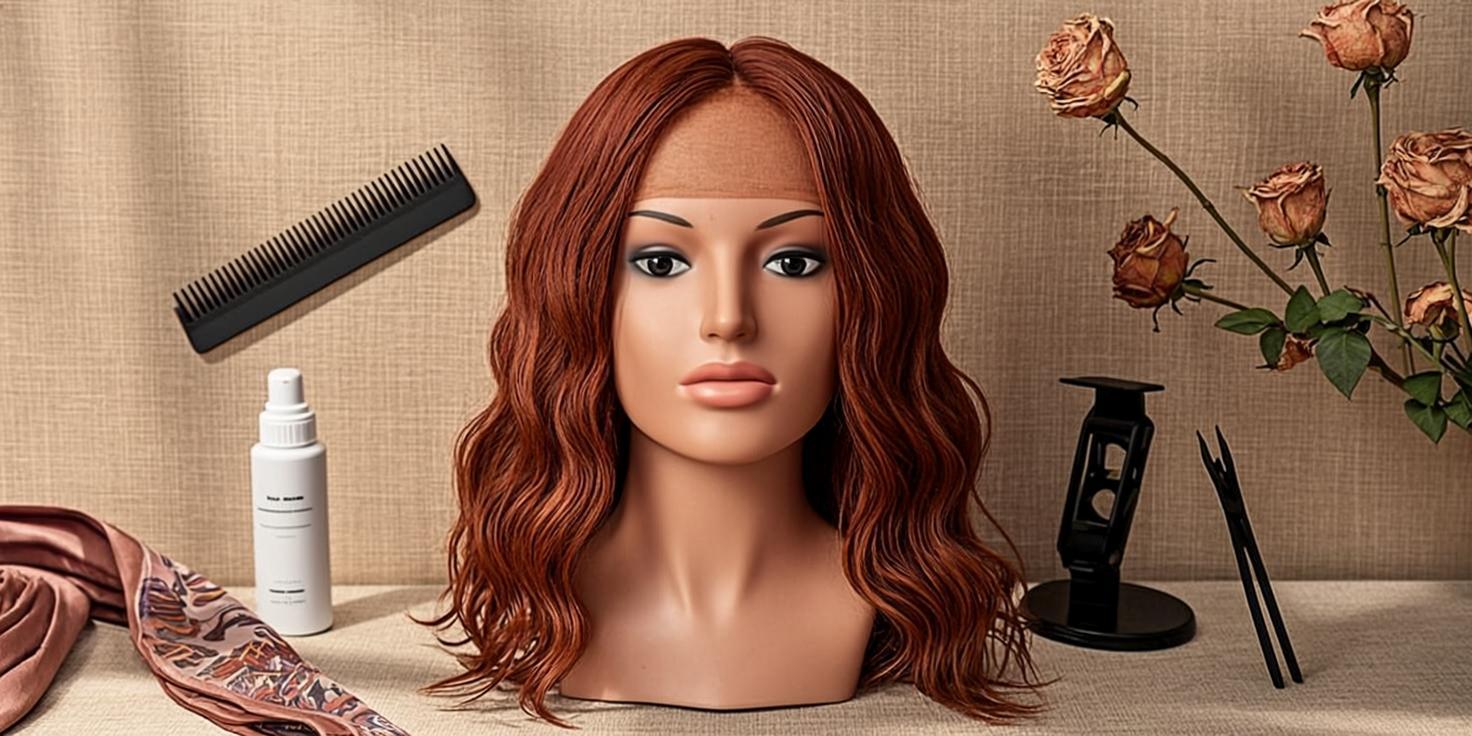
13 Wig Mistakes That Make Yours Look Fake (Fix Each One in Under a Minute)
A 'clocked' wig is almost never a cheap wig — it's a good wig worn with one of thirteen tiny setup errors. The symptom, the reason it looks fake, and the 60-second fix for each, from plastic shine to helmet density to lace lines you can see from space.