Wig Density Explained: 150% vs 180% vs 200% (Which to Choose)
Density is the spec shoppers most often get wrong — usually by buying too much. Every tier decoded (130% to 250%), how construction changes the math, and the two-minute choice method.

Density is the wig spec shoppers most often get wrong — usually by buying too much of it. A 250% density wig photographs beautifully and feels like wearing a helmet all day; a 150% unit can look thin at the parting under office lighting. The number itself is simple — it's the amount of hair on the cap, measured against what a biological scalp naturally grows — but the right number depends on the wig's construction, the look you want, your face, and even the season you'll wear it most. This guide breaks down every common density tier, what each actually looks like on, and how to choose in about two minutes.
Here's the framing that makes everything else make sense: 100% density equals the hair of an average biological scalp. Nobody buys 100% — it photographs thin and parts see-through — so the market starts at 130% and climbs to 250%+ for drama. Your job is picking the smallest density that achieves the look, because smaller density is cheaper, lighter, cooler, and puts less tension on both the cap and your real hairline underneath.
What Wig Density Actually Measures
Density is the quantity of hair stitched or hand-tied into the cap per unit area — how many strands stand together within a square inch of wig. It is completely separate from the hair's thickness (the diameter of each strand, called denier for synthetics) and from the texture. A 180% body wave and a 180% kinky curly wig have the same amount of hair; they occupy different volumes because the curl pattern takes up more space.
That's why the same density number can look wildly different across textures: 180% kinky curly looks substantially fuller than 180% straight. When a listing says "180% density" on a straight wig, expect a lush but believable daytime-TV amount of hair. The same number on a deep wave reads closer to dramatic volume.
Density also compounds with length. Hair weight grows with length, so a 30-inch 150% wig can look thinner at the ends than a 20-inch 150% wig — gravity and strand loss over the years of a unit's life thin the tips. This is why long wigs typically ship at 180%+ density by default: below that, waist-length hair looks scraggly within months.
The Density Chart, Tier by Tier
130–150% — natural and light. What a healthy biological head of hair looks like on a good day. Under bright light, the parting shows a realistic amount of scalp. Favorite of everyday wearers, office workers, and anyone whose scalp or neck is heat-sensitive. On lace front wigs, 150% is the sweet spot for a believable "this is my hair" finish. The trade: it photographs slightly flat, and wet-look or slicked-back styles need a density bump to work.
180% — the market standard. Full, lush, camera-ready, still believable. The overwhelming majority of quality human hair wigs ship at 180%, and it's the density we recommend as a default to most buyers. It holds voluminous styles (body wave, loose wave) through a full day, and the parting stays natural-looking. The trade: noticeably warmer than 150% on a summer commute, and at 26+ inches the weight starts to make itself known on your neck by evening.
200% — full glam. The hair equivalent of a blowout that just won't quit. Styles that need body to read correctly — deep wave, water wave, layered cuts that stack volume at the crown — genuinely need 200% to look like the listing photos. On social occasions and stage, it's perfect. Daily, it's warm, heavy, and reads "wig" to a trained eye more easily than lower densities.

A glueless 250% bob in dark brown with face-framing pieces — three-second wear, salon-cut silhouette, zero adhesive.
250% — drama and stagecraft. Editorial shoots, drag, performance, cosplay of characters with impossible hair. Magnificent from ten feet; at conversational distance the density itself is the giveaway that it's a wig. Heavy enough that cap construction quality genuinely matters — a cheap cap at 250% sags at the crown within months. If you need 250% for performance, buy units with reinforced wefts and adjustable straps.

250% density deep wave on a 13x6 HD frontal — maximum defined volume for the glam looks that lighter densities can't hold.

15A human hair at 250% density on a pre-cut 5x5 HD closure — reinforcement where it counts, in a true wear-and-go build.
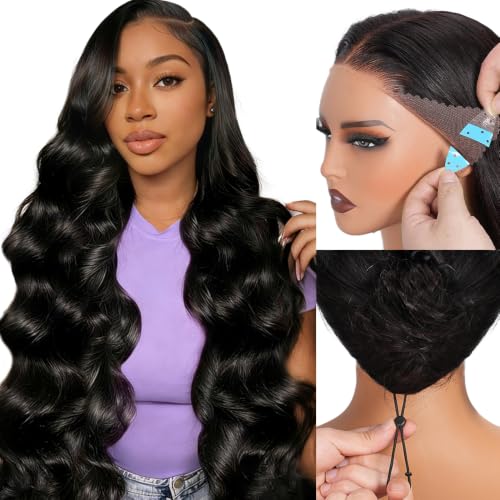
250 density at 28 inches — the maximum-fullness body wave, with a drawstring for security.
Density by Wig Construction
The cap type changes what a given density delivers. On a closure wig (4x4, 5x5, 7x5), density stacks in a smaller area at the top — 180% closure wigs look fuller at the crown than 180% frontals, because the hair concentrates in the constructed parting zone. If you want the "grew out of my scalp" finish at the part, closure wigs at 150–180% outperform the same density on a frontal.
On a frontal (13x4, 13x6), hair spreads across the full ear-to-ear hairline, so the same density reads softer at the part and more even overall. Frontals also make density transitions possible — a skilled installer can leave the front at 150% for a natural hairline while the back carries 200% for volume. That gradation is what expensive installs look like.
Full lace and 360 lace wigs feel their density as much as show it: the entire cap is lace, so a heavy density stretches the cap material over months. 150–180% is the long-term comfort zone for full lace unless the construction is genuinely premium.
U-part, V-part, and half wigs blend your biological hair at the top, which changes the math: match the wig's density to your real hair at the blend line, then let volume build below it. A 150% half wig over fine biological hair blends; a 250% one creates an obvious step-change at the part.
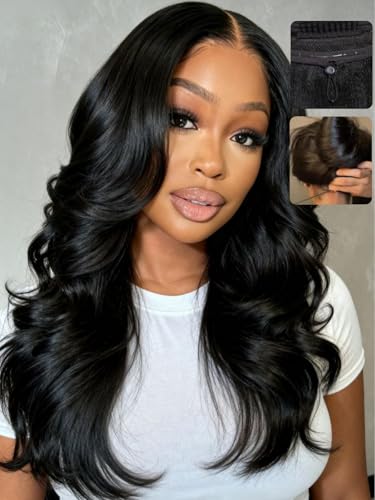
The viral butterfly haircut as a wig: feathered layers, 7x5 glueless, 180% density.
Face Size, Age, and the Density That Flatters
Small faces and fine features get swallowed by high density — the hair starts framing the face instead of the face anchoring the hair. If you have a petite face, 150% straight or 180% wavy is more flattering than anything denser; the goal is hair that flatters your bone structure, not hair that replaces it.
Larger frames, broader faces, and taller wearers carry density beautifully — 200% reads proportionate where it would overwhelm a smaller face. Similarly, volume at the crown visually elongates a round face, so round-face wearers often prefer 180–200% at the top with softer perimeter lines.
Age plays a role too. Very high density on mature wearers can read as costume because biological hair thins with age — 150–180% reads elegant and intentional, which is one reason many premium brands default their "natural" lines to 150%.
Seasonality: The Underestimated Factor
A density that feels fine in October can be unbearable in July. Lace caps breathe, but hair itself is insulation: the difference between 150% and 200% on a 90°F afternoon is the difference between comfortable and actively looking for shade. If your wig will live through real summers, bias low on density and choose glueless caps you can adjust on hot days. Dedicated summer wig? 130–150%. Winter glam wig? The density ceiling disappears.
How to Choose in Two Minutes
Answer three questions. One: what's the occasion — daily wear, occasions, or performance? Daily: 150–180%. Occasions: 180–200%. Performance: 200%+. Two: what texture? Straight textures look thinner per density number, so bias one tier up; curls and waves already occupy volume, so bias one tier down. Three: how hot is where you'll wear it? Above 85°F regularly, drop a tier and thank yourself in August.
When both a 150% and a 200% version of the same wig exist and you're stuck between them, remember this: it's easier to add volume with styling products and a good cut than to remove density from a wig. The lower number is the safer buy in almost every tie.

180-density body wave with a big 13x6 HD front, 4.4 stars from reviewers.
Q: What density should a beginner buy?
180% for human hair, or the texture's default on a quality synthetic. Beginners benefit from the market standard because it behaves the way YouTube tutorials expect — it has enough body to hide imperfect parting work, but not so much that installation mistakes compound. Glueless 180% body wave is the single most forgiving first wig configuration.
Q: Is 200% density too much for everyday wear?
For most people, yes — 180% is the everyday ceiling. 200% is wearable daily in cool climates or if you specifically love the full look, but expect more neck fatigue at lengths past 22 inches, more heat on commutes, and a hairline that reads "wig" more readily up close. Reserve 200% for textures and occasions that genuinely need the body.
Q: Does higher density mean better quality?
No — density is a quantity spec, not a quality grade. A well-made 150% wig with clean wefts and aligned cuticles outperforms a badly made 250% unit every time. In fact, high density on a cheap cap is where budget wigs cut corners visibly: the weight sags the cap and exposes the construction flaws faster. Buy construction quality first, density second.
Q: Can a stylist thin out a wig that's too dense?
Yes, and it's routine work for a wig-experienced stylist — they use thinning shears on the interior layers, never the visible canopy, and take off volume in stages so the hairline stays clean. Expect to pay for the service and to lose a little of the hair's layered structure. It's a good rescue for a too-dense unit, but thinning can't fix a cheap cap.
Q: Why do listing photos look fuller than my wig at the same density?
Listing photos are shot with styling product, professional lighting, and usually a fresh fluff-out right before the shutter — density at its most flattering moment. Out of the box, hair ships compressed for transit. A wash, air-dry, and finger-fluff typically brings a new wig to its photographed volume within a day.
Comments
Recommended in this guide
Human Hair180-density body wave with a big 13x6 HD front, 4.4 stars from reviewers.
TrendingHuman HairThe viral butterfly haircut as a wig: feathered layers, 7x5 glueless, 180% density.
Human Hair250 density at 28 inches — the maximum-fullness body wave, with a drawstring for security.
Glam VolumeHuman Hair250% density deep wave on a 13x6 HD frontal — maximum defined volume for the glam looks that lighter densities can't hold.
Beginner FavoriteHuman HairA glueless 250% bob in dark brown with face-framing pieces — three-second wear, salon-cut silhouette, zero adhesive.
Human Hair15A human hair at 250% density on a pre-cut 5x5 HD closure — reinforcement where it counts, in a true wear-and-go build.
Related guides

The 100 Best Wigs of 2026, Ranked by 213,370 Real Customer Reviews
We analyzed 213,370 verified Amazon reviews to rank the 100 best wigs of 2026 — from $10 synthetics to 220-density human hair. Every pick, every price, every con.

Cheap vs Expensive Wigs: What Actually Changes With Price?
A $15 wig and a $150 wig are not the same product with different logos. Here's exactly what each price tier buys you — and the three cases where cheap is the smart money.
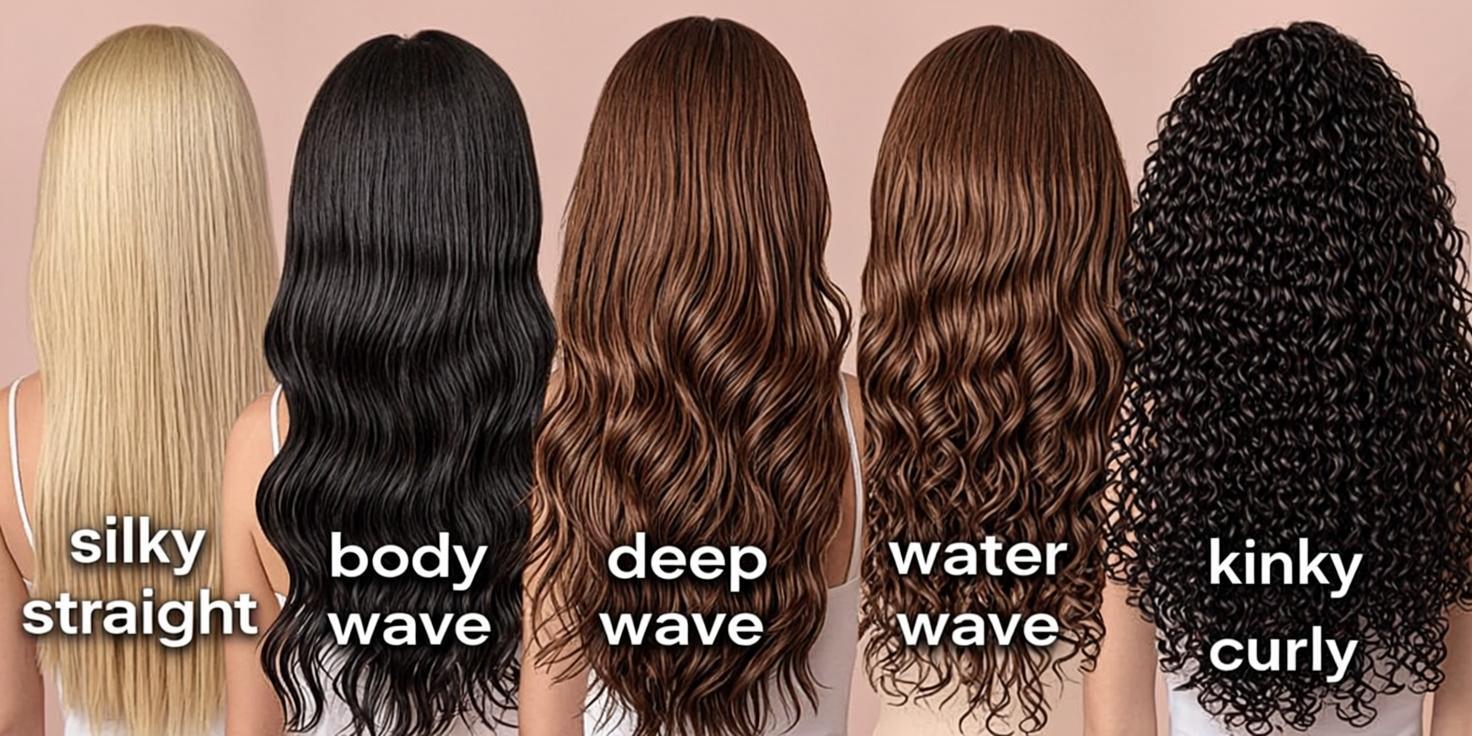
Wig Textures Explained: Body Wave vs Deep Wave vs Water Wave (and Which Suits You)
Every wig texture decoded in plain language — straight, yaki, loose wave, body wave, water wave, deep wave, curly, kinky and finger coil — with real maintenance needs, volume ratings and the specific wigs that nail each pattern.