13x4 vs 13x6 Lace: Which Lace Size Should You Buy?
One character apart in the spec, $30–80 apart in price, worlds apart in styling freedom. What the numbers measure, what each size can and can't do, and when the upgrade is worth it.
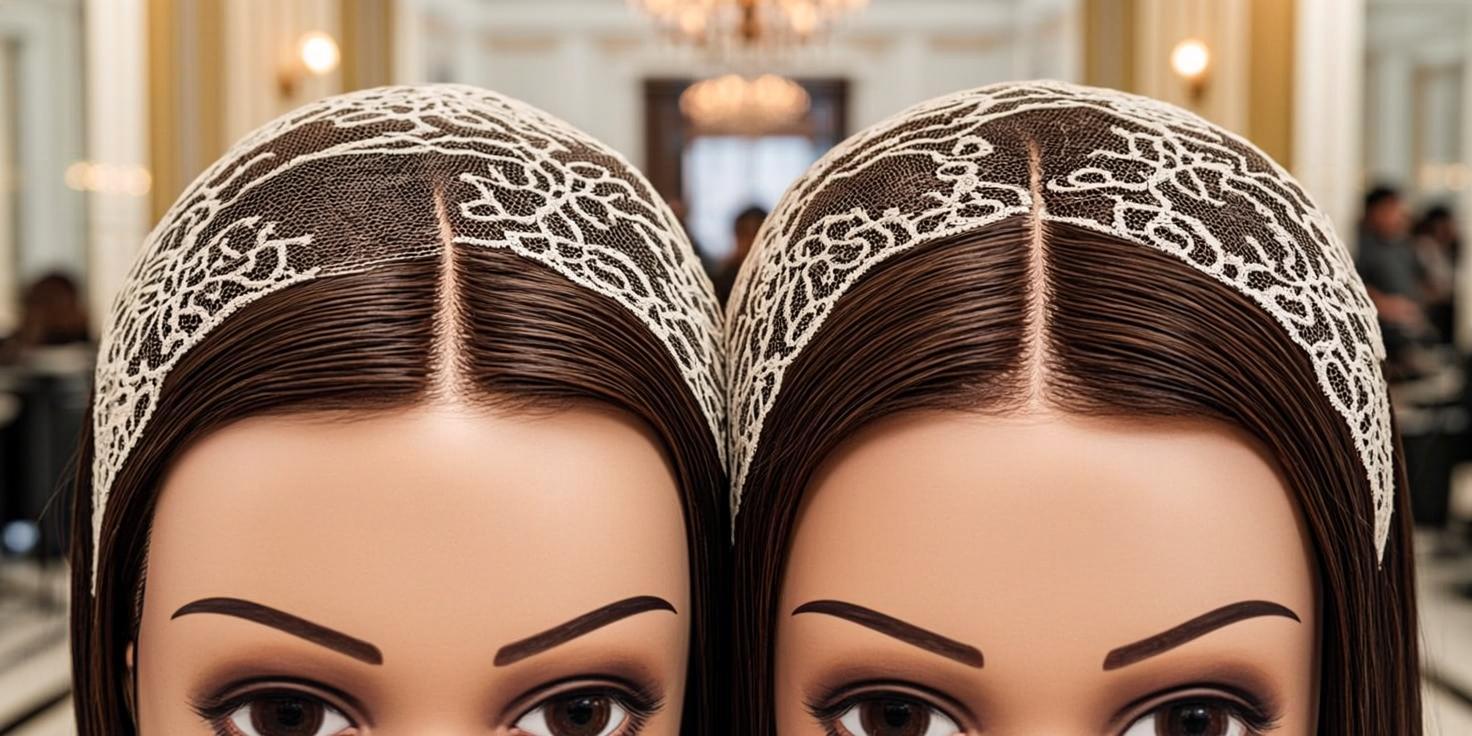
Lace size is the wig spec where a one-character difference changes the price by $30–80 and the styling options for the entire life of the unit. The "13x4 vs 13x6" question is really a question about parting space: how much of the top of the wig is sheer lace you can part anywhere, versus wefted cap you can't. Get it right and every ponytail, side-part, and slick-back style you've saved on Pinterest becomes available. Get it wrong and you're locked into a center part for a year. This guide explains exactly what each dimension means, who each size genuinely suits, and when the upgrade is worth the money.
The short version for the impatient: 13x4 gives you ear-to-ear lace with 4 inches of parting depth — enough for center parts, modest side parts, and half-back styles. 13x6 doubles the parting depth to 6 inches, which unlocks deep side parts, slicked-back ponytails, and styles that need to look like your own scalp well past the crown. Everything else in this guide is detail, nuance, and shopping advice on top of that core difference.
What the Numbers Actually Measure
Lace dimensions are listed in inches, width first. Both the 13x4 and the 13x6 are 13 inches wide — that's the ear-to-ear span of the sheer lace panel that forms the hairline. The second number is the depth: how far back from your hairline the sheer parting space extends before the constructed, wefted cap begins.
Four inches of depth comfortably covers a center part (which typically uses 1–2 inches of visible scalp line) with room for a natural-looking transition into the crown. Six inches covers deep side parts and pulled-back styles where the eye follows the parting line well past the halfway point of the head.
For context on the wider family: 4x4 and 5x5 closures sit only at the top of the head (no ear-to-ear lace at all), 13x6 sits at the frontal depth-plus size, and 7x5, 7x6 "parting-max" designs go 7 inches deep for near-limitless parting. The 13x4 vs 13x6 comparison is the most common because those two sizes dominate the mid-market: same width, same hairline look from the front, different lives once you start styling.
The Parting Space, Visualized
Imagine your head from above, hairline at the front. On a 13x4, the partable zone is a rectangle running ear to ear but reaching back only to roughly the mid-forehead level of the scalp. A center part lives comfortably inside it. A side part positioned an inch or two off-center still works. Push the part further — the deep 4 o'clock parts that read as effortlessly glamorous — and the parting line runs off the edge of the lace onto wefted cap, which shows as a visible grid pattern instead of scalp.
On a 13x6, that rectangle reaches back two more inches — to roughly the crown's front edge. Deep side parts stay on lace the whole way. Slicked-back and half-ponytail styles part wherever your hand puts them. And because the lace extends deeper, the transition from "visible scalp" to "full hair" happens further back, which is exactly what biological hair does. That's the subtle realism upgrade people describe without being able to name it: the 13x6 doesn't just part more places, it parts more convincingly.
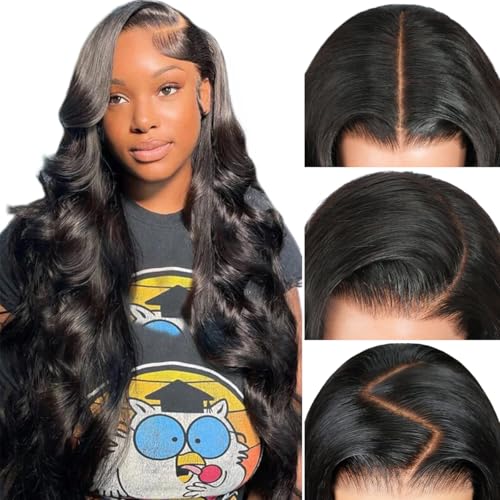
180-density Brazilian body wave with pre-plucked hairline and 13x6 HD transparent lace.
Styling Versatility: What Each Size Can and Can't Do
13x4 — fully capable of: center parts, shallow-to-medium side parts, most everyday wear, soft face-framing styles, half-up looks where the part stays near the front. It's the right size for the 90% of days when the wig is doing its job as hair.
13x4 — struggles with: deep dramatic side parts, slicked-back ponies, styles where the part line must extend past ~4 inches, heavy top-knots that expose the crown.
13x6 — fully capable of: everything the 13x4 does, plus the deep parts, the ponytails, the braided-back styles, zigzag and criss-cross parts, and repeated restyling without the same pattern wearing a groove into the visible lace.
13x6 — still can't do: full 360 styles that need sheer lace at the nape (that's 360 lace or full lace territory — different products, much higher prices). A 13x6 is a frontal, not a full-lace wig; your nape stays wefted cap, which is honestly a durability feature for most wearers.
The Price Gap and When It's Worth It
At the time of writing, the same wig in 13x4 vs 13x6 typically differs by $30–80 on mid-market human hair units, and by a smaller absolute amount on synthetics. That premium buys two inches of hand-tied lace — and hand-tied is the operative phrase: those two inches are the most labor-intensive part of the cap to make, which is why they cost what they cost.
Worth it when: you know you restyle often, you wear your hair pulled back at least weekly, you're tall enough that people see the top of your head more than you think they do, or you're buying a long-term daily unit where amortized versatility beats the upfront saving.
Skip it when: you're a center-part-or-bust wearer (an enormous share of daily wig wearers are), you're buying an occasion wig that will live in one style, or the budget difference is the difference between a quality 13x4 and a cheap 13x6 — construction quality beats lace depth every time, because a flimsy cap ruins both.
For what it's worth, the market itself has been voting with its feet: 13x6 listings have multiplied across every major brand over the last few years, and pre-cut lace in 13x6 has become the default "wear and go" configuration for beginners who want to skip the barber-shop customization step entirely.

Serious 30-inch length at a genuinely budget price — pre-plucked 13x6 HD lace and a 4.4-star rating that outpaces pricier rivals.
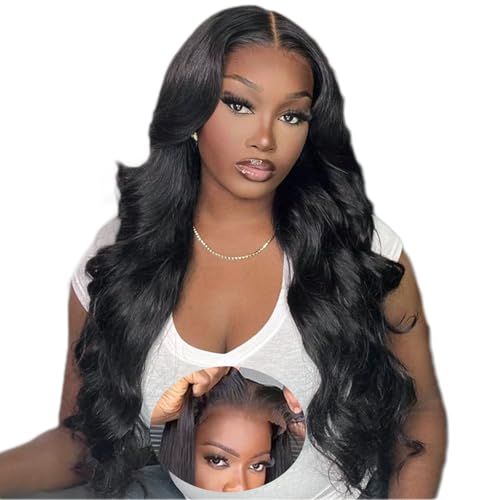
Pre-cut 5x5 HD lace closure you can install in about 30 seconds — no glue, no gel.
Comfort and Breathability
More lace means more sheer mesh and less wefted cap, and sheer mesh breathes dramatically better than double-layer wefting. Summer commuters notice the 13x6 as a cooler wear — not by a transformative amount, but by the difference between "adjusting my wig at 2 p.m." and not thinking about it. The flip side: more lace means the cap's structural strength concentrates in a smaller area. Cheap 13x6 caps stretch out at the perimeter faster than cheap 13x4s, which is one more reason the "quality 13x4 vs cheap 13x6" trade usually resolves in favor of quality.
Adhesive behavior also differs. Glueless wear (elastic bands, combs, adjustable straps) works identically on both sizes. For glued installs, the 13x6's longer lace line means a longer glue boundary at the parting transition — slightly more melt-work for a seamless finish, slightly more removal patience at the end of the wear cycle.
The HD Lace Wrinkle
Both sizes come in regular transparent lace and HD lace, and the lace material is a bigger realism factor than the lace size. HD lace (and its thinner competitor, "skin-melt" lace) disappears against skin in a way standard transparent lace doesn't quite manage, especially on deeper skin tones where standard lace can read as a pale grid. If your budget forces a choice between 13x4 in HD and 13x6 in regular lace, and you're primarily a center-part wearer, the 13x4 HD is usually the more natural-looking unit on the street. If you live in deep side parts, the 13x6 wins regardless of material. We break the material question down fully in our HD lace comparison guide.
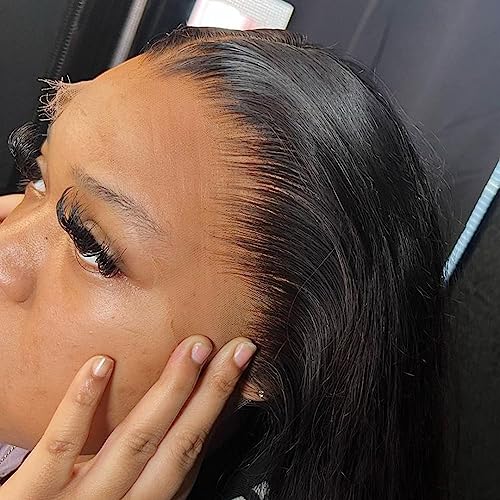
The premium play: 'skinlike' lace engineered to melt at the hairline, 4.5 stars from 360+ buyers.
How to Choose in Sixty Seconds
Part first, budget second. If your saved hairstyle photos are mostly center parts and everyday flow, buy the best-constructed 13x4 you can afford — spend the savings on better hair. If your photos include side parts steeper than a clock's 2 o'clock, pulled-back ponies, or you simply know you get bored and restyle, buy the 13x6. If you're a beginner buying your first unit, a glueless 13x6 with pre-cut lace is the most future-proof configuration on the market today: it installs like a 13x4 (same front hairline work) and forgives every styling experiment you'll make in your first year.
Q: Is 13x6 better than 13x4?
Neither is universally better — they're different tools. The 13x6 offers deeper parting space and more styling versatility; the 13x4 costs less and, at equal budget, usually means better hair or better construction for the same money. Daily center-part wearers lose nothing meaningful with a 13x4. Restylers, side-part lovers, and ponytail wearers get real value from the 13x6's extra two inches.
Q: Can you part a 13x4 wig on the side?
Yes, within limits. A side part positioned one to two inches off-center sits comfortably on 13x4 lace and is a completely everyday look. What a 13x4 can't deliver is the deep, dramatic side sweep whose parting line would run past 4 inches of depth — that's where the lace ends and wefted cap begins. If deep side parts are your signature, that's the specific reason to buy 13x6.
Q: Does 13x6 lace look more natural?
It looks natural in more places. The front hairline looks identical on both sizes — same 13-inch width, same baby hairs, same melt. The 13x6's realism advantage appears past the hairline: wherever you part or pull the hair back, sheer lace continues deeper, so the scalp-to-hair transition happens where a biological scalp would put it. From dead ahead, nobody can tell the difference; from above and in pulled-back styles, they can.
Q: Why do 13x6 wigs cost more?
Labor. The extra two inches of depth are hand-tied strand by strand into sheer lace — the most time-consuming part of wig construction — and the raw HD or transparent lace panel itself is a larger, pricier cut. You're paying for two inches of the most expensive square footage in the entire cap, which is also why the upgrade price is modest rather than double.
Q: Should beginners get 13x4 or 13x6?
13x6, in the current pre-cut glueless configurations, with one caveat. Pre-cut 13x6 units install almost as easily as 13x4s — the front hairline work is identical — and the deeper lace forgives beginner parting mistakes that a 13x4 punishes with a visible cap edge. The caveat: if budget forces a choice between a quality 13x4 and a cheap 13x6, take the quality 13x4. A good cap in the smaller size outlasts and out-performs a bad cap in the larger one every time.
Comments
Recommended in this guide
Best SellerHuman Hair180-density Brazilian body wave with pre-plucked hairline and 13x6 HD transparent lace.
Best ValueHuman HairPre-cut 5x5 HD lace closure you can install in about 30 seconds — no glue, no gel.
Premium PickHuman HairThe premium play: 'skinlike' lace engineered to melt at the hairline, 4.5 stars from 360+ buyers.
Best ValueHuman HairSerious 30-inch length at a genuinely budget price — pre-plucked 13x6 HD lace and a 4.4-star rating that outpaces pricier rivals.
Related guides

Lace Front Wigs 101: A First-Time Buyer's Guide
Lace sizes, HD vs transparent, plucking, melting — everything you need to understand before buying your first lace front.
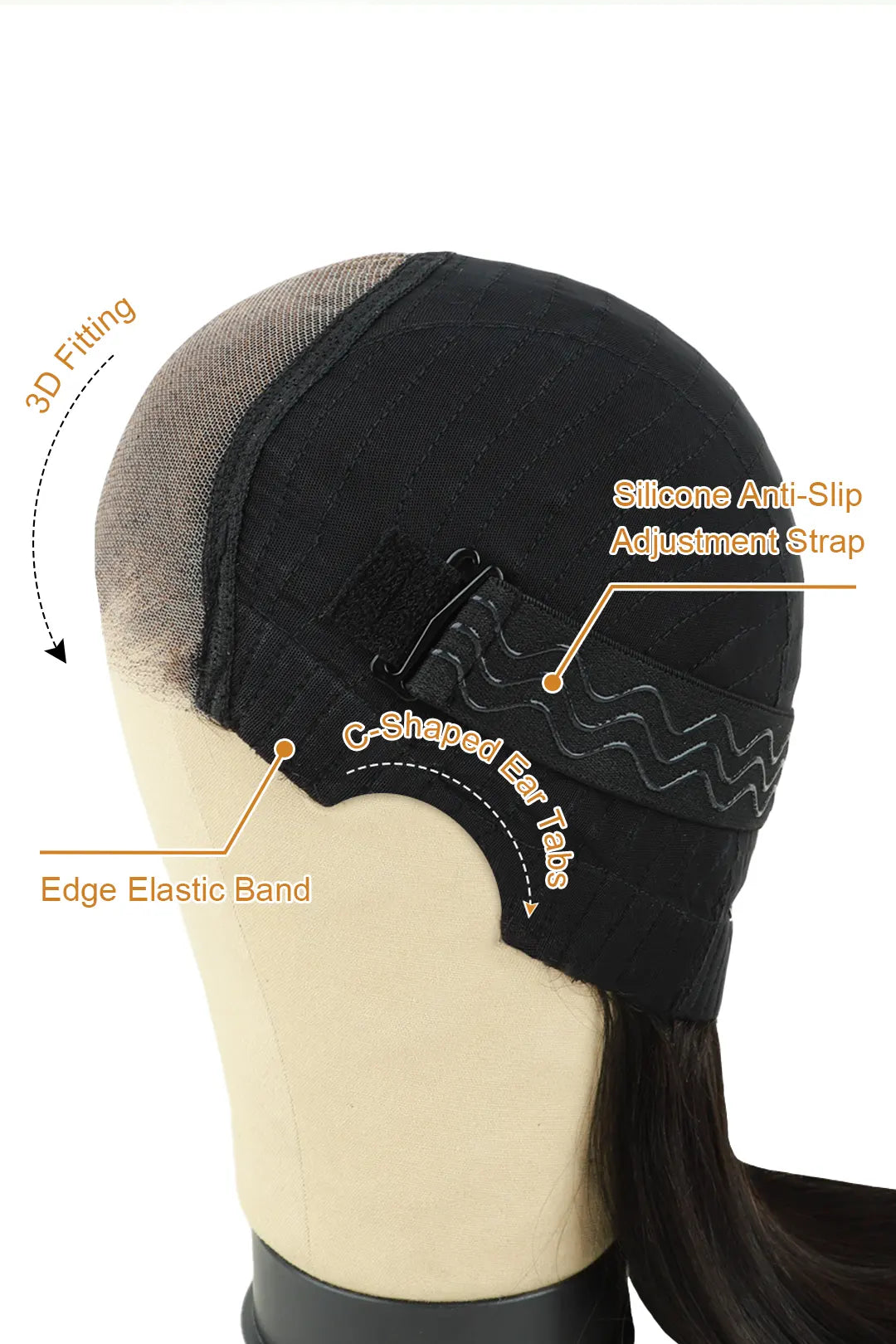
Glueless vs Lace Front Wigs: Which Should You Actually Buy?
The two most popular wig types compared — including the fact that they're not actually opposites, and the hybrid build that gets you the best of both.
HD Lace vs Transparent Lace vs Regular Lace (And Which You Need)
The lace-material question, settled: what HD, transparent and regular lace each do on different skin tones, the durability trade nobody mentions at checkout, and when the premium is worth it.